Renovation Contractor Secrets: How to Achieve a Stress-Free Remodeling Process
Navigating a home renovation can be demanding. Property owners often face unexpected hurdles that can make things more complex. Choosing the right renovation specialist is essential for avoiding common pitfalls. Clear expectations and effective communication can make a notable impact. Yet, many miss important measures that can lead to stress and postponements. Learning about these secrets can help streamline the journey and secure a favorable conclusion. In what ways can residents ready themselves for these difficulties?
The Importance of a Remodeling Contractor's Role
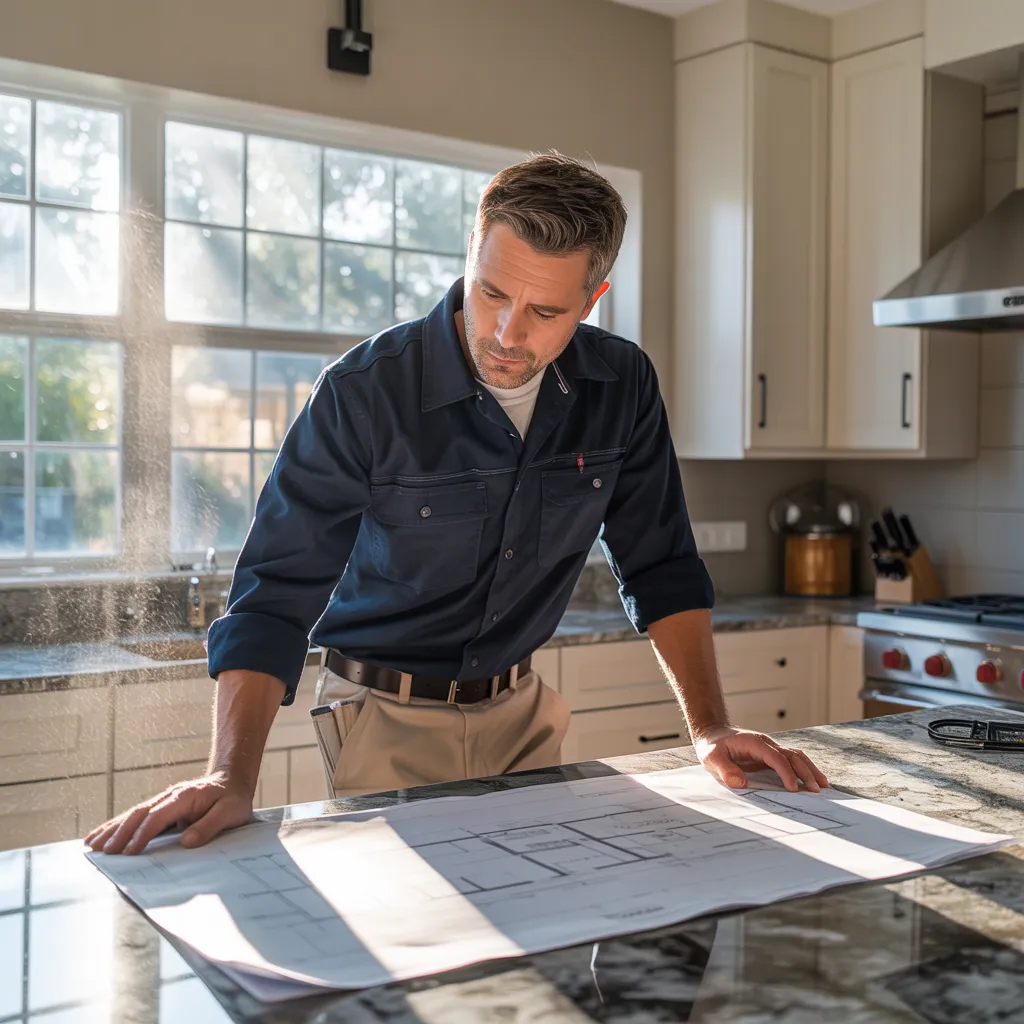
A remodeling contractor orchestrates the complex process of home remodeling projects, guaranteeing that work proceeds seamlessly from start to finish. This specialist acts as the key coordinator in managing various tasks, from initial planning to the final touches. They demonstrate a deep understanding of building methods, construction materials, and regional regulations, which allows them to reach well-reasoned judgments that impact project outcomes.
The contractor handles supervising subcontractors, planning work timelines, and controlling the budget. They additionally function as a bridge between clients and tradespeople, addressing concerns and providing updates throughout the renovation process. Effective communication is essential, as it ensures the client's vision aligns with practical implementation. Through managing timelines and maintaining quality, the renovation contractor limits setbacks and boosts overall effectiveness. At the core, their knowledge and direction are key to turning a client's remodeling aspirations into tangible results while ensuring a commitment to safety and industry standards.
How to Define Clear Expectations for Your Project
Defining clear expectations is vital for the achievement of any home improvement project. Homeowners are advised to start by clarifying their goals and expected outcomes, ensuring all parties understand the scope of work. Detailed project descriptions help prevent misunderstandings later on. Setting a practical budget is equally important; it should include allowances for potential unforeseen expenses.
Homeowners must convey their project timelines, including start and completion dates, which helps align contractor schedules. Discussing the types of materials to be used and their availability can provide greater clarity regarding the project's course. Frequent communication can aid in handling concerns as they arise, strengthening a cooperative working environment.
Ultimately, keeping a written record of all agreements and decisions can provide a reference point throughout the project, minimizing disputes. By setting these clear expectations, homeowners can foster a more organized and efficient renovation process, guaranteeing that the completed project reflects their goals.
The Significance of Effective Communication
Effective communication serves as a cornerstone for any thriving remodeling endeavor, making certain that contractors and homeowners stay on the same page during the entire process. This promotes transparency, allowing both parties to express their expectations, preferences, and concerns openly. When communication stays open and reliable, confusion can be reduced, ultimately preventing expensive setbacks and revisions.
Contractors gain from regular updates, enabling them to adjust schedules and resources accordingly. Homeowners, in turn, gain reassurance through consistent communication, staying better informed and connected. Effective communication also cultivates trust, a fundamental aspect for a mutually beneficial working partnership.
Utilizing different means of communication, such as in-person meetings, emails, and phone calls, serves to accommodate different preferences and guarantee that key information is communicated in a timely manner. At the end of the day, making effective communication a priority not only improves the overall renovation journey but also helps in attaining the desired results efficiently and satisfactorily.
Essential Questions for Choosing the Right Contractor?
How do homeowners go about finding and selecting a dependable remodeling contractor? To make an informed choice, they should start by asking critical questions. Homeowners should inquire about the contractor's experience and expertise in specific renovations, ensuring they have relevant skills for the project at hand. It is also essential to ask for references and examples of past work to gauge quality and reliability.
Homeowners need to verify the contractor's licensing and insurance status, verifying their adherence to local rules and standards. Furthermore, reviewing the schedule and availability for the project helps set realistic expectations. Inquiring about any subcontractors and their credentials can also reveal the level of professionalism expected throughout the process.
Ultimately, property owners should seek a well-defined payment schedule and request warranty information for materials as well as workmanship. By raising these key inquiries, homeowners are better equipped to vet potential contractors and ultimately choose the right fit for their renovation project.
Examining Contractor Proposals
When reviewing contractor proposals, it is essential to analyze pricing frameworks to guarantee budgetary consistency. Furthermore, assessing project schedules helps in evaluating the practicality of each contractor's approach. This structured method assists in making informed decisions that can considerably impact the remodeling project.
Compare Pricing Structures
While evaluating pricing structures may appear overwhelming, it is critical for homeowners to diligently analyze contractor bids to ensure they get the greatest return on their investment. Different contractors may present varying pricing models, such as set pricing, hourly billing, or cost-plus agreements. Homeowners ought to evaluate not just the overall price but also the specifics of each proposal. As an example, certain estimates may bundle materials and labor together, whereas others may itemize them individually, resulting in unforeseen costs down the line. Additionally, evaluating payment schedules and terms can reveal potential financial risks. By recognizing these distinctions, homeowners can make educated decisions and identify a contractor whose pricing approach matches their financial plan and project requirements.
Assess Project Timelines
Reviewing renovation timelines is crucial for homeowners looking for transparency in contractor bids, as postponements can significantly affect financial plans and expectations. A careful examination of proposed timelines helps homeowners pinpoint potential bottlenecks and guarantee that contractors have realistic schedules. Homeowners should compare the anticipated start and finish dates across several bids, paying attention to the specific phases of the project. It is wise to question about the contractor's strategy for managing unforeseen delays, such as adverse weather or material shortages. Open discussion concerning key checkpoints can promote responsibility and openness. By understanding the timeline, homeowners can better align their expectations and plan for any modifications required throughout the renovation process, ultimately leading to a smoother experience.
Tips for Keeping Your Renovation on Track
Keeping on track during a renovation can significantly affect the overall success of the project. To keep things moving, open communication between the homeowner and contractor is vital. Establishing a detailed timeline with clear benchmarks helps everyone maintain accountability. Regular check-ins can handle any likely holdups early on, ensuring that problems are handled quickly.
Furthermore, accounting for unforeseen obstacles, such as interruptions to the supply chain or weather-related setbacks, enables increased flexibility in scheduling. Homeowners should also make certain that determinations about materials and aesthetic decisions are established prior to construction to minimize last-minute adjustments that can derail progress.
To conclude, choosing a credible contractor with a proven track record can greatly enhance the probability of staying on schedule. A well-organized team, backed by the necessary tools and materials, will handle responsibilities effectively, reducing delays and keeping the renovation on track. Effective planning and preventive administration are essential elements in achieving a timely renovation completion.
Common Remodeling Pitfalls With Contractors
Successful remodeling projects necessitate not only effective scheduling but also an awareness of common challenges that can occur when working with contractors. One prevalent problem is miscommunication, which can lead to disputes regarding budgets, project scope, and timelines. It is imperative for homeowners to establish clear expectations and maintain open lines of communication throughout the home improvement process.
Another frequent mistake is underestimating costs. Homeowners may overlook additional expenses such as unexpected repairs, materials, or required permits, which can create financial strain. Moreover, the choice of contractor carries considerable weight; selecting unqualified or inexperienced contractors can lead to poor quality work or legal issues.
Finally, failing to verify references and reviews can result in hiring unqualified contractors. Property owners ought to dedicate time to researching and screening potential candidates to steer clear of setbacks and frustration. By being aware of these missteps, homeowners can shield their home improvement projects and achieve a more positive outcome.
Common Questions and Answers
What Can I Do When My Contractor Fails to Meet a Deadline?
When a contractor fails to meet a deadline, the homeowner ought to reach out directly, sharing their worries and asking for clarity. Keep a written record of the exchange, examine the contract for relevant clauses, and evaluate the possibility of creating a new timeframe or pursuing other remedies as required.
How Do I Manage Unexpected Expenses During the Renovation?
To address unforeseen explore expenses amid renovation work, one should carefully examine the contract, speak transparently with the project contractor, explore alternative solutions, and maintain a contingency budget. Such a forward-thinking strategy reduces stress levels and ensures a more seamless project flow.
Which Permits Are Required for My Remodeling Project?
To identify the required permits for a renovation project, one must consult municipal building requirements. In most cases, permits may include electrical, structural, plumbing, or zoning permits, depending on the project's extent and regional building requirements.
Am I Able to Remain in My Home Throughout the Renovation?
In many cases, homeowners are able to stay in their homes during renovation projects, but the feasibility relies on the scope of the work being done. Noise, dust, and limited access might create challenges, so thorough planning and open communication with your contractors are crucial.
How Should I Deal With Disagreements With My Contractor?
To handle disagreements with a contractor, it is important to express concerns in a clear manner, listen to their perspective, seek compromise, keep records of conversations, and, should the need arise, pursue mediation to arrive at an agreeable solution for both parties.